.jpg)
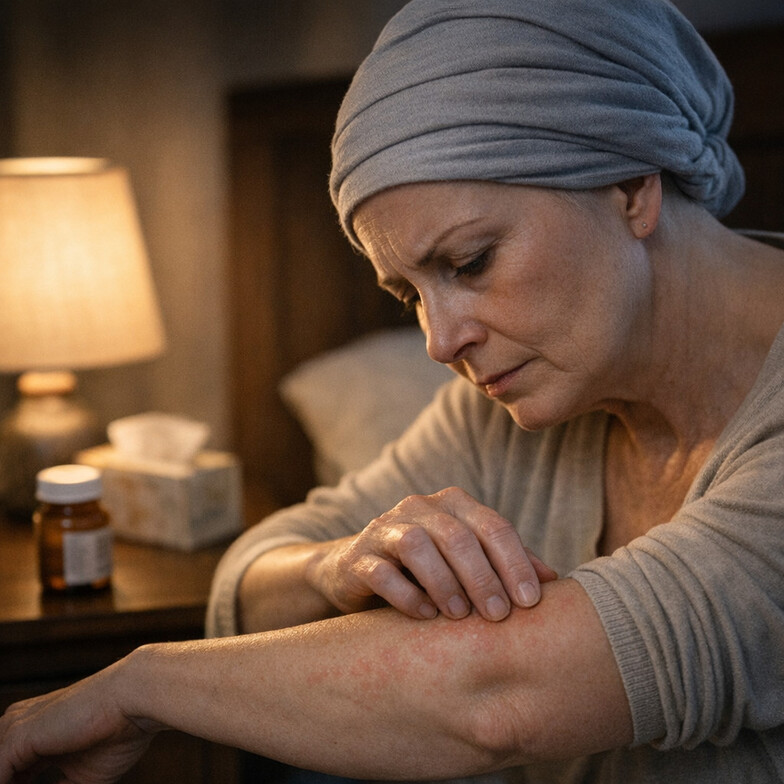
Cancer treatments are powerful — and for some people, they can trigger allergic or hypersensitivity reactions. While serious reactions are uncommon, even mild symptoms can feel frightening, especially when they happen after you’ve already left the clinic.
Understanding what reactions can look like, how they’re managed, and what to do at home can help you feel more prepared and less anxious during treatment.
What is an allergic reaction or anaphylaxis?
Allergic and hypersensitivity reactions occur when the immune system responds to a medication. These reactions exist on a spectrum, ranging from mild skin symptoms to severe, life-threatening anaphylaxis.
Reactions can happen:
-
During an infusion
-
Shortly after treatment
-
Hours later, once you’re already home
This is why oncology teams monitor patients closely during treatment — and why education for after-hours symptoms is just as important.
Cancer treatments commonly associated with reactions
Not all reactions are the same, and not all are true anaphylaxis. Some are milder hypersensitivity reactions that can still be uncomfortable.
Medications more commonly associated with reactions include:
Chemotherapy
-
Taxanes (paclitaxel, docetaxel)
-
Platinum agents (carboplatin, oxaliplatin)
-
Asparaginase (more common in blood cancers)
Targeted & biologic therapies
-
Monoclonal antibodies (rituximab, trastuzumab, cetuximab)
-
Newer immunotherapies and bispecific antibodies
Immunotherapy
-
Immune checkpoint inhibitors such as Pembroluzimab (true anaphylaxis is rare, but reactions can still occur)
Supportive infusions
-
IV iron
-
Some growth factors or supportive medications
Your oncology team accounts for these risks when planning premedications, infusion rates, and monitoring.
Early and delayed signs of a reaction
Early symptoms (often during infusion)
-
Itching, flushing, or hives
-
Chest or throat tightness
-
Cough or shortness of breath
-
Nausea or abdominal cramping
-
Dizziness or feeling unwell
Always tell your nurse right away if something feels different.
Delayed symptoms (hours later)
-
Hives or rash appearing later that day or evening
-
Facial or lip swelling
-
Flu-like symptoms or chills
-
Fatigue beyond expected treatment effects
Delayed skin symptoms are among the most common late reactions.
A case from practice: when symptoms return at home
During my oncology nursing practice, I cared for a patient who developed mild allergic symptoms during an infusion, including itching and a localized rash.
The infusion was stopped promptly, appropriate medications were given, and symptoms resolved. Treatment was restarted at a slower rate, and the patient completed their infusion without further issues. Because of the delay, they left the clinic later than planned.
That evening, after arriving home, the patient noticed hives returning, this time more widespread. Although there were no breathing problems or swelling of the lips or throat, the patient felt uncertain and anxious. They did not know whether this was expected, what could be managed at home, or when to seek help.
Without clear guidance, the patient went to the emergency department late that night.
What this case teaches us
This situation is more common than many realize.
-
Mild allergic symptoms can recur hours later
-
Skin reactions like hives are especially common
-
These symptoms are often manageable at home when patients are prepared
-
Patients frequently experience similar flares with subsequent treatments
The issue wasn’t poor care — the reaction was managed appropriately in clinic. The gap occurred after hours, when the patient lacked reassurance, education, and a clear plan.
Why premedications and slower infusions are used
Many patients receive medications before treatment to reduce reaction risk, such as:
-
Antihistamines
-
Steroids
-
Acid blockers
Slower infusion rates are often used after a reaction. These measures significantly reduce risk, but they do not eliminate it entirely, which is why knowing what to watch for at home matters.
What to Do If Symptoms Return After You’re Home
1. Pause and assess
Ask yourself:
-
Are symptoms limited to the skin (itching, hives)?
-
Am I breathing comfortably?
-
Is there no swelling of the lips, tongue, or throat?
If yes, symptoms may be mild and manageable, but should still be monitored.
2. Use home measures — if previously approved by your care team
-
Take an oral antihistamine as directed
-
Apply a topical steroid or soothing cream to affected areas
-
Wear loose clothing and avoid heat
Do not start new medications unless your oncology team has advised they are safe.
3. Monitor closely
-
Watch for spreading or worsening symptoms
-
Note the timing and what helps
-
Be aware that similar symptoms may occur with future treatments
4. Know when to call for advice
Contact your oncology clinic, after-hours support, or symptom coaching if:
-
Symptoms are uncomfortable or persistent
-
Symptoms return or worsen
-
You are unsure what is safe to manage at home
Early guidance can prevent unnecessary emergency visits.
5. Seek emergency care immediately (call 911) if you have:
-
Trouble breathing or swallowing
-
Swelling of the lips, tongue, or throat
-
Dizziness, fainting, or collapse
-
Rapidly worsening symptoms involving more than one body system
When in doubt, err on the side of safety.
Before your next treatment
Always let your oncology team know if you experienced symptoms after going home. This helps them:
-
Adjust premedications
-
Modify infusion rates
-
Create a clearer plan for managing symptoms next time
A final reflection
Many after-hours emergency visits happen not because symptoms are severe, but because patients don’t know what’s expected, what’s manageable, or who to call.
Education, reassurance, and a clear plan can make a meaningful difference.
At Present Help by June, we support patients between clinic visits and after hours, helping them recognize symptoms early, understand what they may mean, and decide on safe next steps — always in partnership with their oncology team.
A Note on Writing
This reflection was crafted with the assistance of AI, then carefully reviewed, edited, and personalized to reflect my voice and experience. My intent in using this tool is not to replace the human touch, but to strengthen it—allowing me to bring together research, scripture, and lived experience in a way that is both thoughtful and accessible.

June Ng-A-Kein
Contact Me