.jpg)

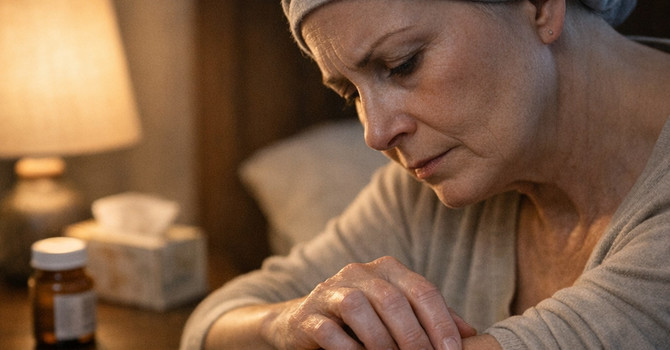
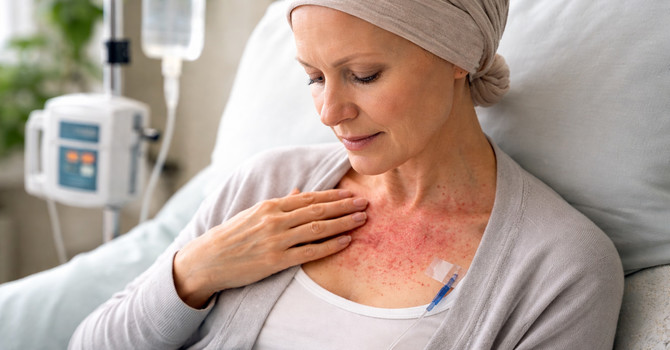
In my years of oncology nursing, I have often heard patients say, "I didn't want to bother the doctor over a little fever." It is a natural human response—we want to be "good patients," and we don't want to overreact. But in the world of oncology, reacting to a fever isn't an overreaction; it is a vital clinical guardrail.
Understanding Your "Nadir" Window
Evidence shows that your White Blood Cell (WBC) count doesn't drop immediately after treatment. Instead, it follows a specific timeline called the Nadir—the medical term for your lowest point.
- Days 5–7: Your counts typically begin their descent.
- Days 7–14: The Nadir window. This is when your immune system is at its most vulnerable.
- Days 14–21: Your bone marrow typically begins a 7-day recovery phase to "bounce back" for your next cycle.
Are You High Risk?
Safety is not "one size fits all." According to MASCC guidelines, we assess both the person and the protocol to determine risk:
| Patient Risk Factors | Treatment Risk Factors |
|---|---|
| Age > 65 (Slower marrow recovery) | Dose-dense regimens (Every 14 days) |
| History of lung, kidney, or liver issues | Previous episode of Febrile Neutropenia |
| Advanced disease or poor nutrition | Combined Chemotherapy & Radiation |
Nursing Pearls: The "True" Reading
To follow the MASCC "Golden Hour" (receiving antibiotics within 60 minutes of ER arrival), we must start with an accurate reading:
- Oral is Gold: Forehead or ear thermometers are prone to "false lows." Use a digital oral thermometer.
- The 20-Minute Rule: No hot or cold drinks for 20 minutes before a reading.
- Wait for the Alarm: Do not pull the thermometer out until it beeps.
- Calibrate at Clinic: Bring your device to your next appointment; we can compare it against professional equipment for accuracy.
Navigating BC Care
Whether your center uses a Yellow, Red, or White Alert Card, keep it with your BC Services Card. These cards are intended to be shown to the emergency nurse on your arrival indicating that you are a cancer patient on treatment and you have a fever, you are at risk of febrile neutropenia (a fever with low neutrophil/white blood cell count. If your cancer team is unavailable, and you are not sure what to do call HealthLink BC at 8-1-1 to speak with an RN immediately.
"There are two things which we must always keep together: the science of medicine and the art of the person."
— Dr. Paul Tournier
A Note on Writing
This reflection was crafted with the assistance of AI, then carefully reviewed, edited, and personalized to reflect my voice and experience. My intent in using this tool is not to replace the human touch, but to strengthen it—allowing me to bring together research, scripture, and lived experience in a way that is both thoughtful and accessible.

June Ng-A-Kein
Contact Me