.jpg)
Patient Education
Not All Cancer Treatments Work the Same Way
Cancer treatment is becoming increasingly complex as our understanding of tumour behaviour continues to evolve. We now know that cancers are influenced not only by how quickly cells grow, but also by the unique genetic and molecular environment that allows tumours to develop, adapt, and spread — as well as the important role the immune system plays in recognizing and responding to cancer.
As treatments become more personalized, patients are hearing more unfamiliar terms such as chemotherapy, immunotherapy, biologics, targeted therapy, antibody-drug conjugates, and genomic testing. Even healthcare professionals and nurses outside of specialized oncology settings can sometimes find it challenging to fully understand how these different treatments work and why their side effects may differ so significantly.
This article is not intended to be overly scientific. Rather, it aims to break these concepts down into simpler, more relatable explanations using everyday analogies to help patients and families better understand the different types of systemic cancer treatment and why symptom monitoring remains so important throughout care.
Chemotherapy
“Like using a strong weed killer”
Traditional chemotherapy works by attacking fast-growing cells.
Cancer cells grow and divide quickly, so chemotherapy is designed to damage or destroy those rapidly growing cells. The challenge is that some healthy cells in the body also grow quickly — including hair follicles, cells in the mouth and digestive tract, and bone marrow cells that help make blood cells.
This is why chemotherapy can sometimes cause side effects such as fatigue, nausea, hair loss, mouth sores, or low blood counts.
Chemotherapy is often very effective, but because it affects both cancer cells and healthy fast-growing cells, its effects can sometimes feel more widespread throughout the body.
Immunotherapy
“Like taking the brakes off the immune system”
Immunotherapy works very differently from chemotherapy. Instead of directly attacking the cancer itself, immunotherapy helps the body’s own immune system recognize and fight cancer cells more effectively.
One way to think about this is that cancer sometimes finds ways to “hide” from the immune system. Immunotherapy helps remove some of those protective disguises — almost like taking the brakes off the immune system so it can recognize the cancer again.
For many patients, immunotherapy side effects may feel different from chemotherapy. Hair loss and low blood counts may be less common, but the immune system can sometimes become too active and begin irritating healthy parts of the body instead.
This is why immunotherapy can sometimes cause inflammation in areas such as the lungs, bowels, skin, liver, thyroid, or other organs.
Sometimes symptoms may seem mild or unrelated at first — such as diarrhea, cough, rash, worsening fatigue, or shortness of breath — but because they may represent immune-related inflammation, they should never be ignored.
Targeted Therapy & Biologic Treatments
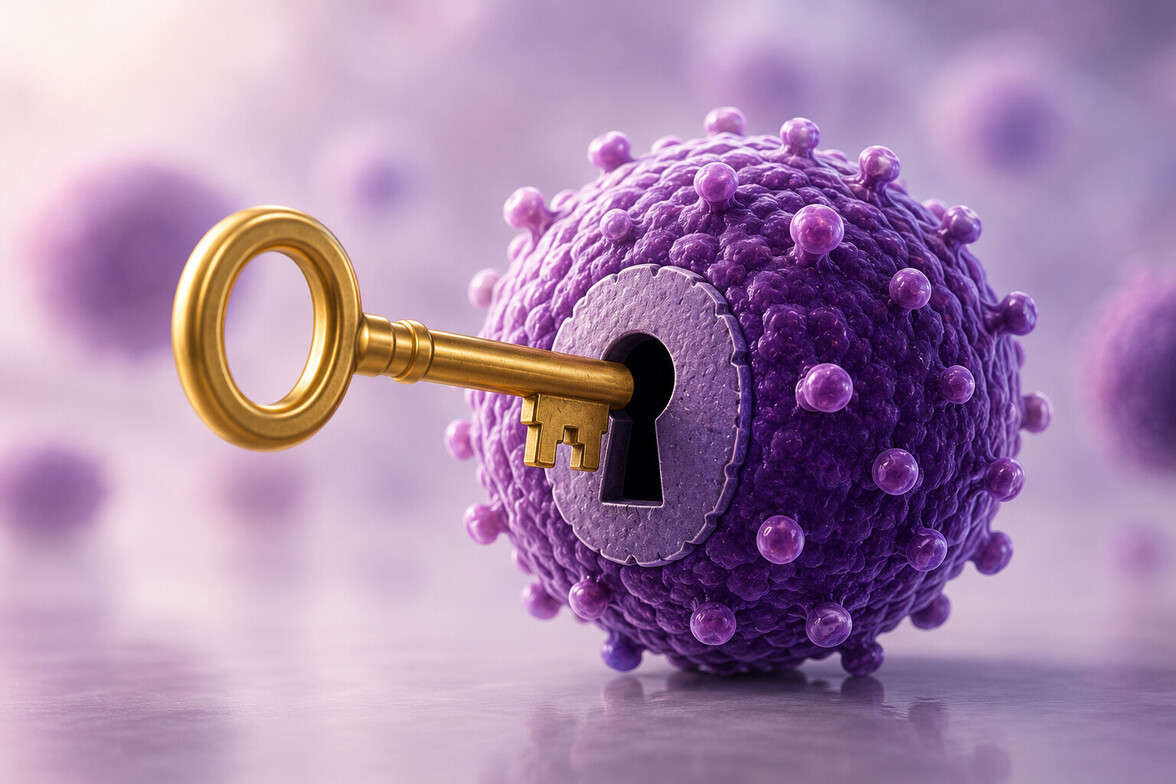
“Like using a key to fit a specific lock”
Some newer cancer treatments are designed to target very specific features found on or inside cancer cells.
Instead of affecting all fast-growing cells, these treatments are more selective — almost like using a key designed to fit a specific lock.
These therapies may target proteins, receptors, genetic mutations, or signals that cancer cells rely on to grow.
Because they are more targeted, side effects may differ from traditional chemotherapy. However, that does not necessarily mean they are “easy” treatments.
Depending on the medication, targeted therapies can still cause significant side effects such as fatigue, skin changes, diarrhea, high blood pressure, lung inflammation, liver changes, or heart effects. Many targeted therapies are taken at home as pills or capsules, which can sometimes make them feel less serious to patients — even though careful monitoring remains very important.
Why This Matters
One of the biggest changes in modern oncology is that much of cancer care now happens at home and between appointments.
Patients are often managing symptoms, medications, treatment schedules, emotional stress, and uncertainty primarily on their own between visits.
Understanding how different treatments work can help patients and families feel less frightened by unfamiliar terms, recognize symptoms earlier, communicate concerns more clearly, and better understand why ongoing symptom reporting remains such an important part of staying safe during treatment.
A Final Thought
Cancer treatment today is more personalized and more advanced than ever before — but it can also feel increasingly complex and overwhelming.
Patients should never feel embarrassed about asking questions or needing information repeated more than once. Understanding treatment is not about becoming an expert overnight. It is about helping people feel more informed, more supported, and more confident navigating care one step at a time.
At Present Help, I believe education and supportive guidance can make a meaningful difference in helping patients feel less alone between visits and more prepared to navigate the realities of treatment at home.
A Note on Writing
This patient education article was crafted with the assistance of AI, then carefully reviewed, edited, and personalized to reflect my voice and experience. My intent in using this tool is not to replace the human touch, but to strengthen it—allowing me to bring together research and lived experience in a way that is both thoughtful and accessible.

June Ng-A-Kein
Contact Me