.jpg)
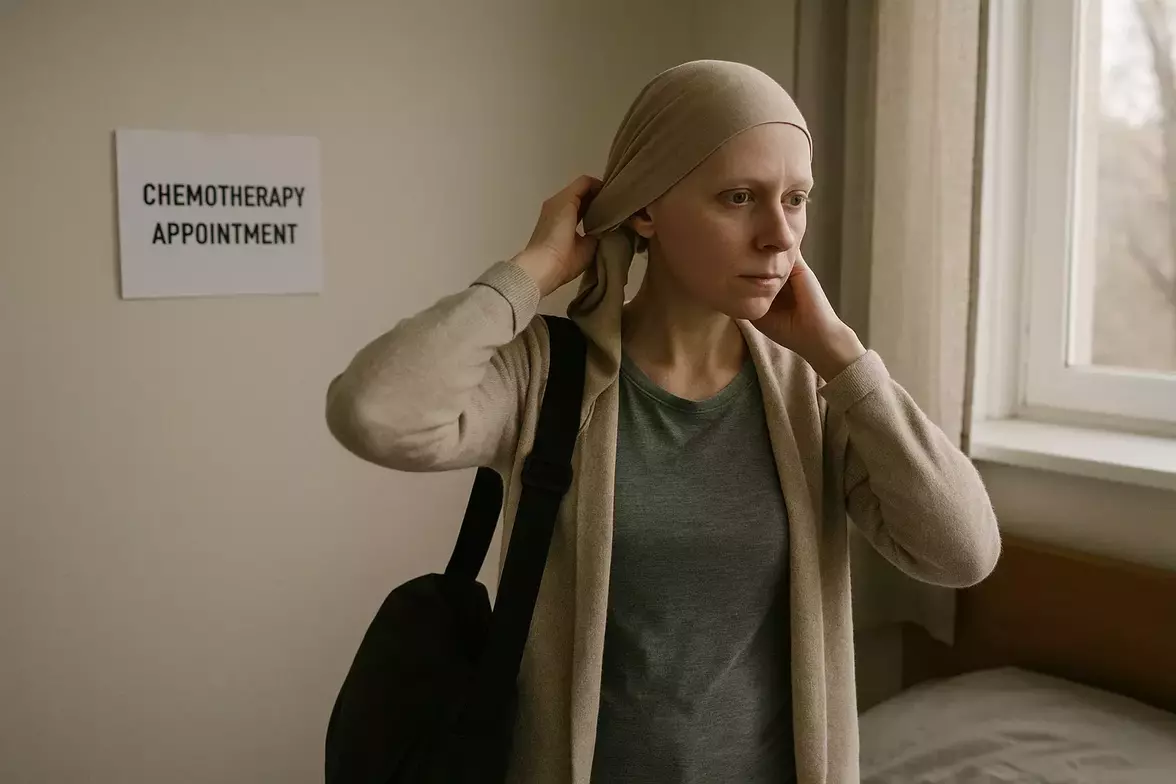
A little planning goes a long way. Use this streamlined guide to prepare for your infusion, minimize anxiety, and manage the first 48 hours afterward.
The Day Before: Quick Checklist
Before you go, make sure these four things are done:
-
Confirm Logistics: Call the clinic to confirm your time, location, and parking/transit plan. Ask if a support person can stay with you. Some clinics offer complimentary parking for cancer program patients. Volunteer drivers are often a good option but must be arranged a week or more in advance.
-
Comfort Wear: Choose comfortable layers and clothing with easy access to your arm or port site. Wear soft socks/slippers and closed-toe shoes.
What to Pack for the Clinic
Keep your infusion day bag simple and focused on comfort:
-
Essentials: ID, treatment schedule, full medication/allergy list, and anti-nausea meds.
-
Comfort Kit: Lip balm, unscented lotion, small blanket/shawl, and soft socks.
-
Distraction: Headphones, phone charger, a light book, favorite puzzles, a close family or friend.
-
Fuel: Water (you can flavour it up with berries or lemon slices) and small, bland snacks (crackers, light sandwich, protein bar, sliced fruit, or nuts). Some centers do provide a light lunch for patients with longer treatments.
- Bring Someone: It's a good idea to have someone bring you and take you home after your first treatment. Check with your cancer team if it is strongly advised for your particular treatment.
If you have a PICC or Port, bring your information card.
During Infusion: Staying Safe
Be an active partner in your care.
-
Speak Up: If you feel any new symptom or have pain/swelling at the IV site, tell a nurse immediately. Use the call bell right away or get any nurse's attention.
-
Get Comfortable: Choose a chair near the washroom if mobility is a concern.
-
Manage Queasiness: Notify your nurse at the first sign of any nausea or discomfort. Try slow sips of water or ginger candy.
-
Ask Questions: Have your 3–5 key questions written down so you don't forget to ask your nurse.
First 48 Hours: Recovery Focus
This is the most critical time for managing side effects at home.
Know When to Call (Do Not Wait)
Keep your clinic's urgent number saved in your phone. Call your cancer team right away if you experience:
-
Fever 38 C or 100.4 F or chills that last more than one hour . It is best to use an oral, digital thermometer. Wait until the thermometer alarms before removing it from your mouth.
-
Uncontrolled vomiting (throwing up) or diarrhea (looser, frequent poops)
-
Signs of a serious reaction (chest pain, severe headache, new shortness of breath or swelling to face or joints).
-
New pain, redness, or drainage at your IV/Port/PICC site.
Taking these simple steps empowers you to face "Chemo Day" with preparation and confidence. Planning ahead will helps you feel some sense of control and is an important part of self-care.
Additional recommendation: If you live alone, it may be helpful to keep a small hospital “go-bag” packed with a few essentials you might want during an unexpected ER visit. Having it ready means you or someone supporting you can grab it quickly when needed. Think of it like carrying an umbrella — being prepared can bring a sense of comfort, even if you never need to use it.
Need personalized guidance to navigate your treatment calendar and daily recovery plan?
Book a free consultation with Present Help by June today and start planning for a smoother journey.
A Note on Writing
This reflection was crafted with the assistance of AI, then carefully reviewed, edited, and personalized to reflect my voice and experience. My intent in using this tool is not to replace the human touch, but to strengthen it—allowing me to bring together research, scripture, and lived experience in a way that is both thoughtful and accessible.
With you on the journey,
June Ng-A-Kein
Founder, Present Help by June

June Ng-A-Kein
Contact Me