.jpg)
Blog | Cancer Coaching Reflections & Resources
After-Hours Symptom Coaching: Why It Matters Between Appointments
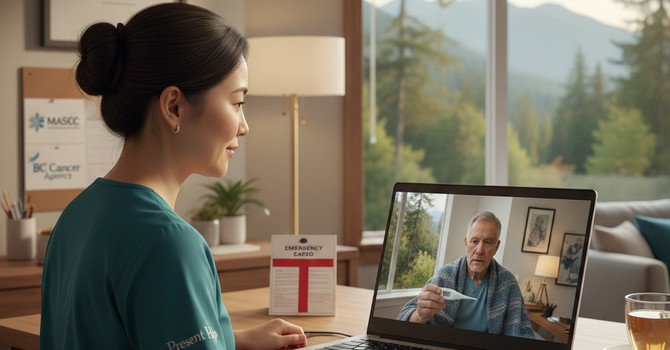
When I teach new patients about chemotherapy, I always share how to reach our clinic during business hours. The very next question is almost always: “Who do we call after hours?”
For many community cancer clinics, the honest answer is: there isn’t an after-hours symptom line. Patients are often directed to 811, where excellent nurses try to help—but they don’t know you, your treatment plan, or your recent lab results. Meanwhile, urgent care clinics keep business hours, and the ER becomes the default when worries spike at night.
The gap patients feel at home
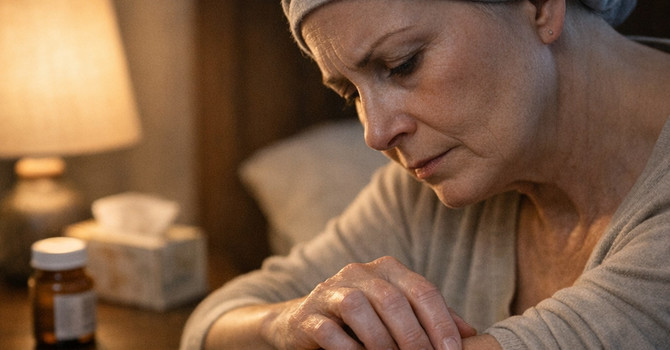
Chemotherapy and immunotherapy side effects can flare later the same evening after treatment. Some are expected and manageable with simple, timely guidance. Yet many people don’t have a family doctor or nurse practitioner, can’t get quick advice from the clinic, and are left sorting through pages of discharge instructions while feeling unwell and anxious.
What after-hours coaching is (and isn’t)
After-hours coaching offers calm, nurse-led support between visits—to help you understand what you’re feeling, what’s typical, and what to do next until your clinic reopens. It’s coaching and education, not diagnosis or treatment. The goal is to reduce fear, reinforce the plan you’ve already been given, and help you decide whether home care is reasonable—or whether you need urgent assessment.
Practical tips for new patients (share with your caregiver)
- Ask your cancer team: “Who do I call after hours?” “What’s the plan if symptoms start at night or on weekends?”
- Create a small “ready file”: treatment name/cycle/day, last dose date, key co-morbidities, any flagged labs, clinic daytime number, health card.
- Stock simple supports (team-approved): the over-the-counter items your team recommends for you (e.g., anti-nausea schedule, bowel and mouth care, thermometer).
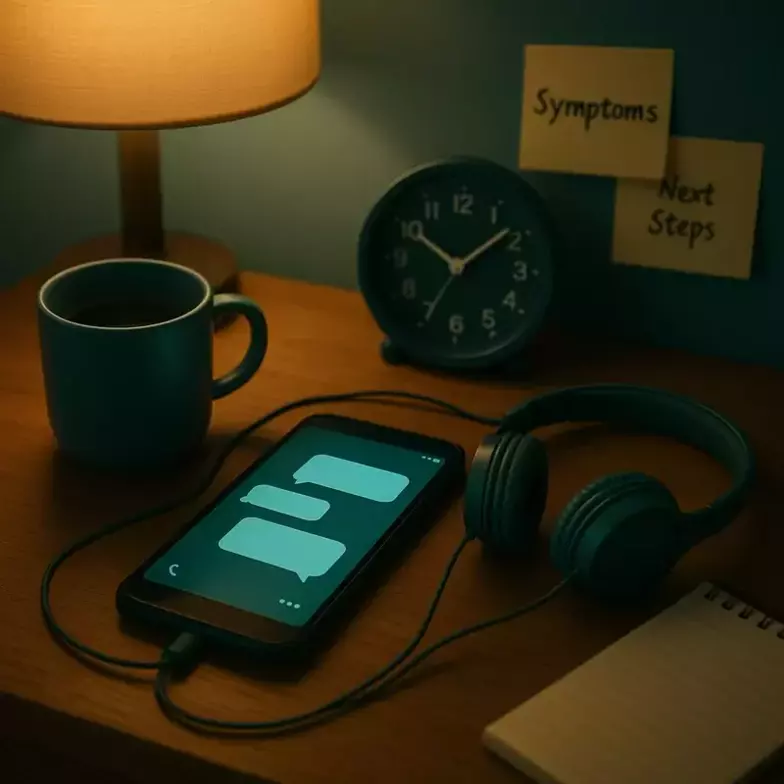
- Track symptoms briefly: what happened, when it started, and what helped—so follow-up is faster and clearer.
- Know your red flags: review your clinic’s written urgent-symptom instructions with your caregiver.
When to use after-hours coaching
- You’re unsure if a symptom is expected vs. concerning.
- You want help prioritizing self-care steps from your discharge plan.
- You want overnight next-step confidence before clinic hours resume.
After-Hours Prep List
- Treatment name & cycle/day; last dose date
- Clinic daytime number; health card
- Co-morbidities & any flagged labs
- Home supplies your team recommends (OTC/comfort care)
- Symptom notes (what/when/what helped)
Coaching & education only—no diagnosis or treatment. Follow your clinic’s urgent-care instructions.

June Ng-A-Kein
Contact Me