.jpg)
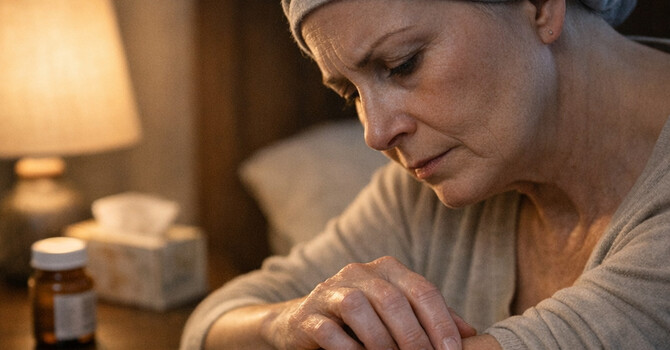
One of the realities of cancer care is that many symptoms do not appear while a patient is sitting in the clinic. They emerge later—often at home, in the evening, or in the early hours of the morning when uncertainty feels most acute.
For clinicians, this creates a familiar challenge. Patients frequently struggle to decide whether a symptom is serious, whether it can wait until the next appointment, or whether they should seek urgent care.
For patients and families, that uncertainty can lead to anxiety, unnecessary emergency visits, or delays in getting the right support.
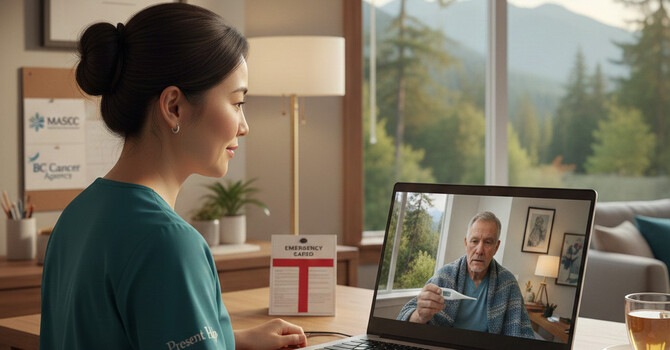
This is where remote symptom monitoring and digital health tools are beginning to change the landscape of supportive cancer care.
The Case for Earlier Symptom Detection
Research over the past decade has consistently shown that structured symptom monitoring during cancer treatment can significantly improve patient outcomes.
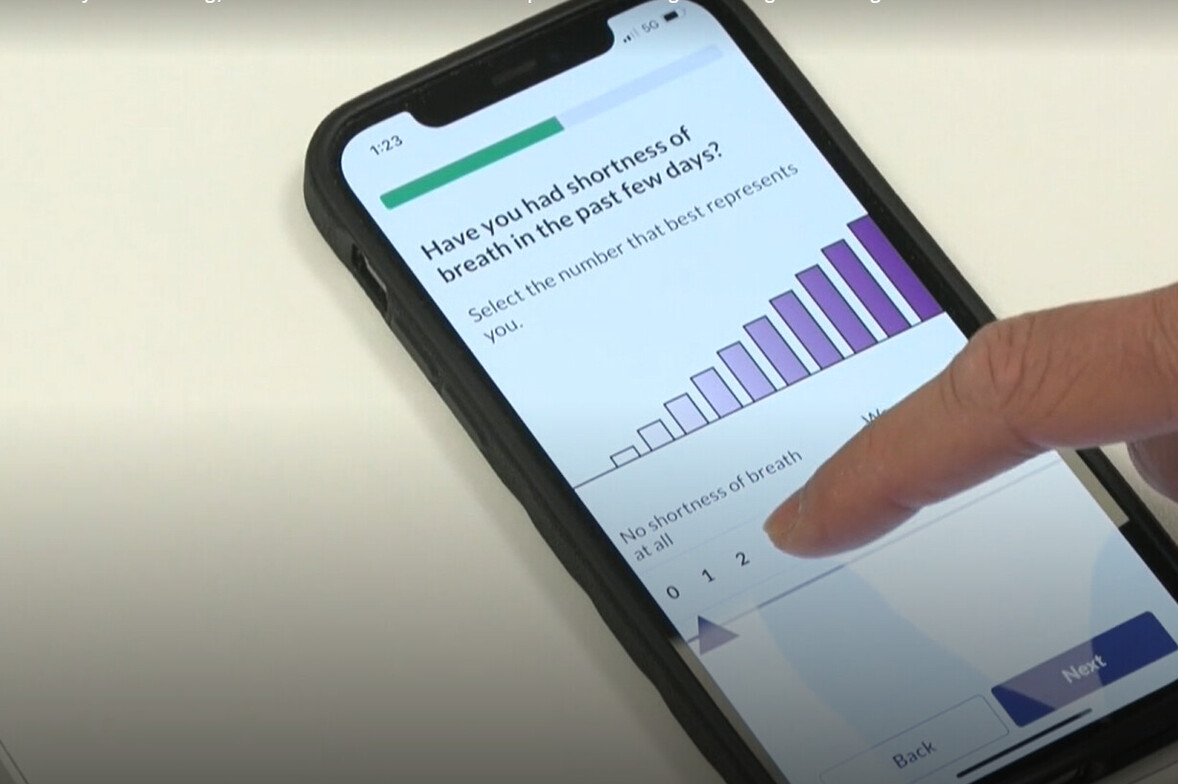
When patients are able to report symptoms between visits through digital platforms or structured patient-reported outcome measures (PROMs), care teams can:
-
detect concerning symptoms earlier
-
intervene before problems escalate
-
support treatment adherence
-
reduce avoidable emergency department visits
Several studies have also demonstrated improvements in quality of life and, in some cases, survival outcomes when symptom monitoring is integrated into oncology care.
The message is increasingly clear: waiting for the next clinic visit is often too late.
Patients Are Ready for Virtual Support
One concern that sometimes arises when discussing digital health is whether patients are comfortable with remote care.
Encouragingly, research and clinical experience suggest that many patients are not only open to virtual support—they welcome it.
For individuals undergoing cancer treatment, the ability to communicate symptoms or receive guidance without needing to travel to the clinic can be enormously valuable.
This is particularly true for patients who:
-
live far from treatment centres
-
are managing fatigue or treatment side effects
-
require reassurance about emerging symptoms
When implemented thoughtfully, digital tools can complement—not replace—the trusted relationship between patients and their care teams.
Why This Matters for Community Oncology Clinics
While digital symptom monitoring can benefit any cancer program, it may be especially valuable for smaller clinics and community cancer centres.
These programs often face unique challenges:
-
limited specialist resources
-
smaller clinical teams
-
high patient volumes
-
patients traveling long distances for care
Remote symptom monitoring tools can help teams identify issues earlier without requiring additional in-person visits. This creates opportunities for more proactive supportive care while helping clinicians prioritize the patients who most need immediate attention.
The Implementation Challenge
Despite the promise of digital health tools, implementation is not always straightforward.
Technology developers often focus on building platforms, dashboards, and reporting tools. Meanwhile, clinicians are focused—appropriately—on delivering care in already demanding clinical environments.
The result is a gap that many healthcare systems are beginning to recognize:
Who helps translate digital tools into real clinical workflows?
Successful programs require thoughtful planning around:
-
symptom triage pathways
-
alert escalation processes
-
patient onboarding and engagement
-
integration with existing clinical workflows
-
ongoing data collection and evaluation
Without this bridge, even well-designed technology can struggle to gain traction in busy clinical settings.
Bridging Technology and Clinical Practice
This is where roles that bridge clinical experience and digital innovation become increasingly important.
Clinicians bring deep knowledge of patient care, while technology teams bring expertise in building platforms and tools. What is often needed is someone who understands both perspectives and can help ensure that digital solutions are implemented in ways that are safe, practical, and aligned with real-world oncology care.
This kind of bridge work may involve:
-
helping teams design symptom triage pathways
-
supporting patient onboarding strategies
-
mapping workflows using tools such as MIRO boards
-
ensuring digital monitoring aligns with evidence-based guidelines
-
supporting data collection and program evaluation
When done well, these collaborations can strengthen supportive care without adding unnecessary burden to already busy clinical teams.
Looking Ahead
Digital health is not a replacement for clinicians or compassionate care. Instead, it is becoming an increasingly important extension of supportive care beyond the clinic walls.
As cancer treatment becomes more complex and more care takes place at home, the ability to identify symptoms early—and respond quickly—will continue to play a crucial role in improving patient outcomes.
Remote symptom monitoring is not simply about technology.
It is about ensuring that patients feel supported during the moments between visits when questions arise and uncertainty grows.
And ultimately, it is about building systems that allow clinicians to deliver the kind of care they have always wanted to provide—care that is timely, responsive, and centred on the person living with cancer.
A Note on Writing
This writing was crafted with the assistance of AI.

June Ng-A-Kein
Contact Me